

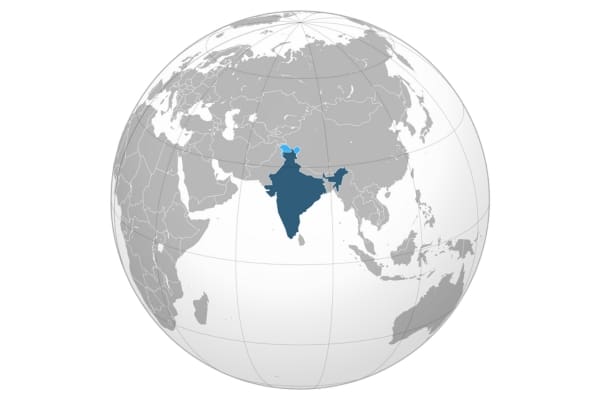
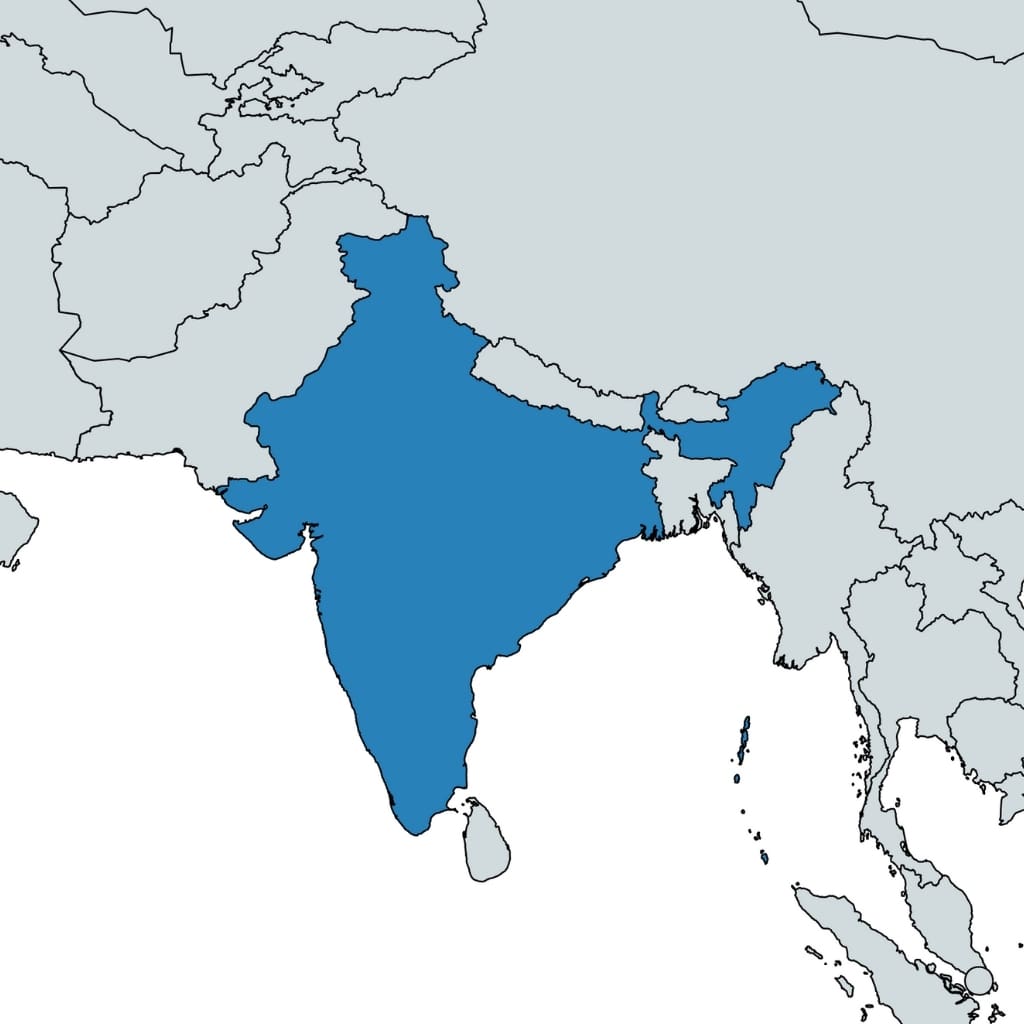
India
🏛️ Capital: New Delhi
👥 Population: 1.451 billion
💬 Language: Hindi, English
💰 Currency: Indian Rupee (INR)
✈️ Reasons to travel: Taj Mahal, diverse culture, yoga & spirituality, street food, varied landscapes (Himalayas to beaches)
📈 High Season: November to March
📉 Low Season: May to September
☀️ The warmest month: May
❄️ The coldest month: January
🌧 The rainiest month: July
Safety
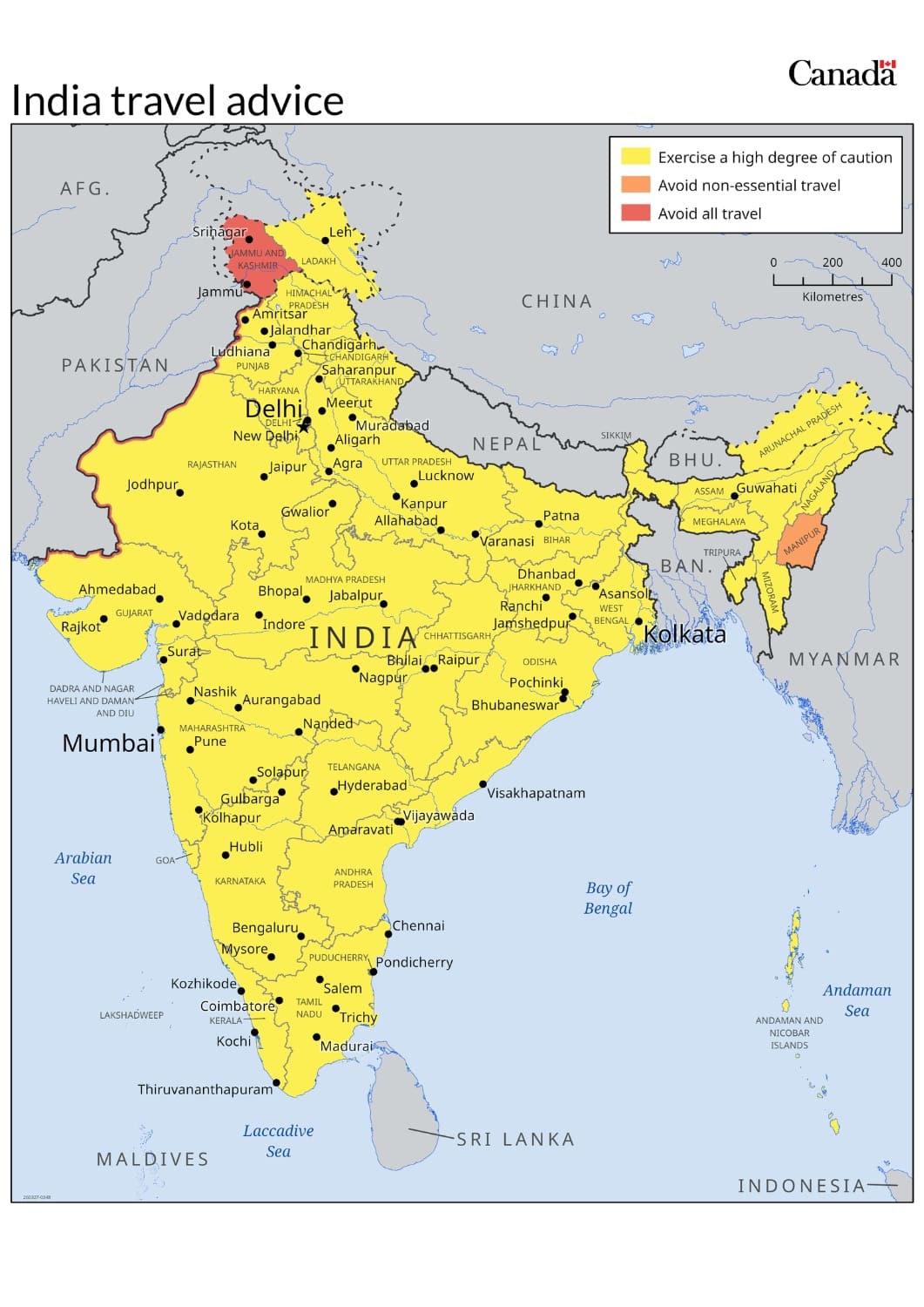
Travelers should check government safety advisories before any trip to avoid dangerous situations. These sources offer reliable updates on security risks, health alerts, and local laws.
Check out the travel advisory from at least one of these government websites:
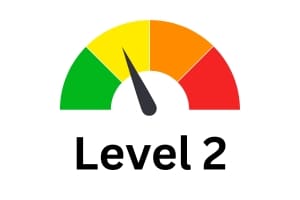
Average safety level:
Exercise increased caution
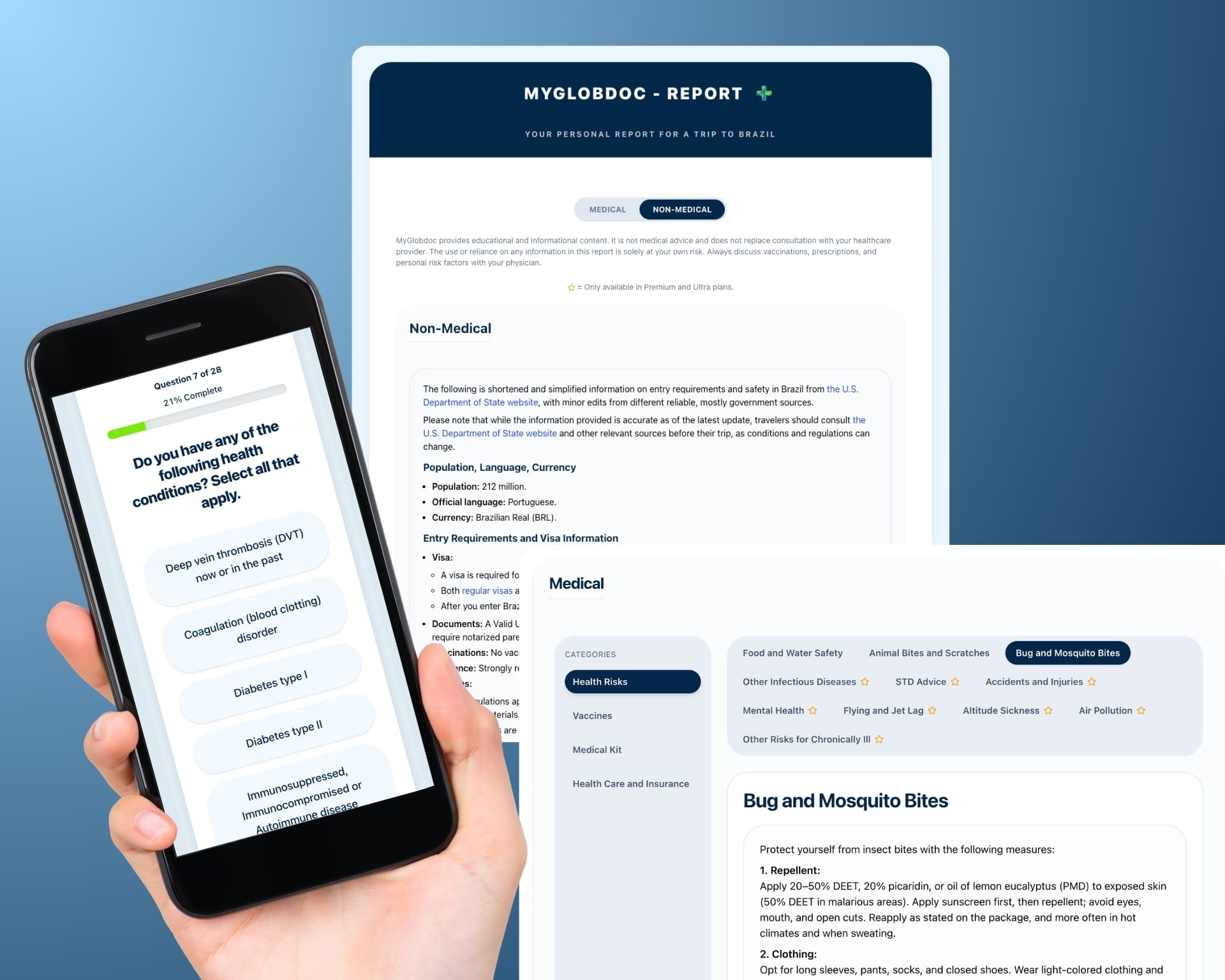
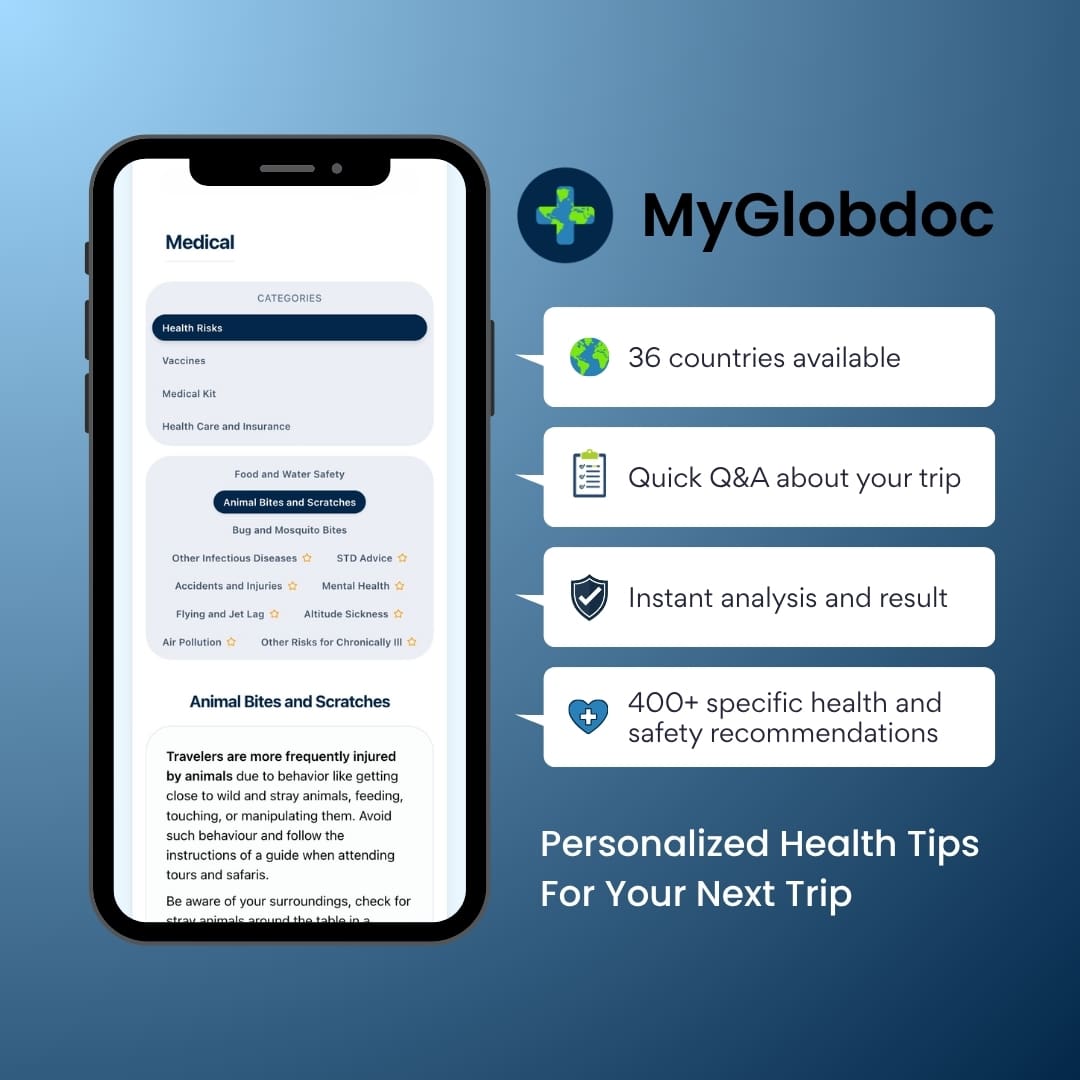
Try our travel preparation app for free, and get an overview of safety, entry requirements, local laws, contacts for hospitals, and more.
Health
Sanitation and drinking water:
Score: 25/100
Rank: 143rd/180
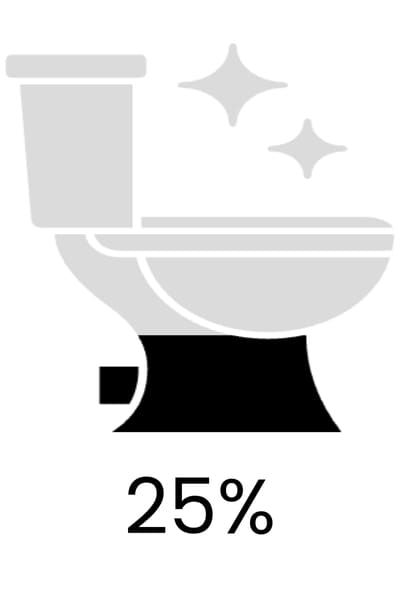

These are based on indicators such as types of facilities and sewage systems in households, water sources, water treatments, etc. The higher the score the safer the drinking water and sanitation (based on the Environmental Performance Index from Yale University).
A lower score may suggest a higher risk of food-borne illnesses like traveler’s diarrhea.
Vaccine-preventable infectious diseases in India:
- Chikungunya
- Cholera
- Dengue fever
- Hepatitis A
- Hepatitis B
- Japanese encephalitis
- Meningococcal meningitis
- Rabies
- Tuberculosis
- Typhoid fever
Infectious diseases in India with no vaccine currently available:
- Crimean-Congo hemorrhagic fever
- Cutaneous larva migrans
- Leishmaniasis
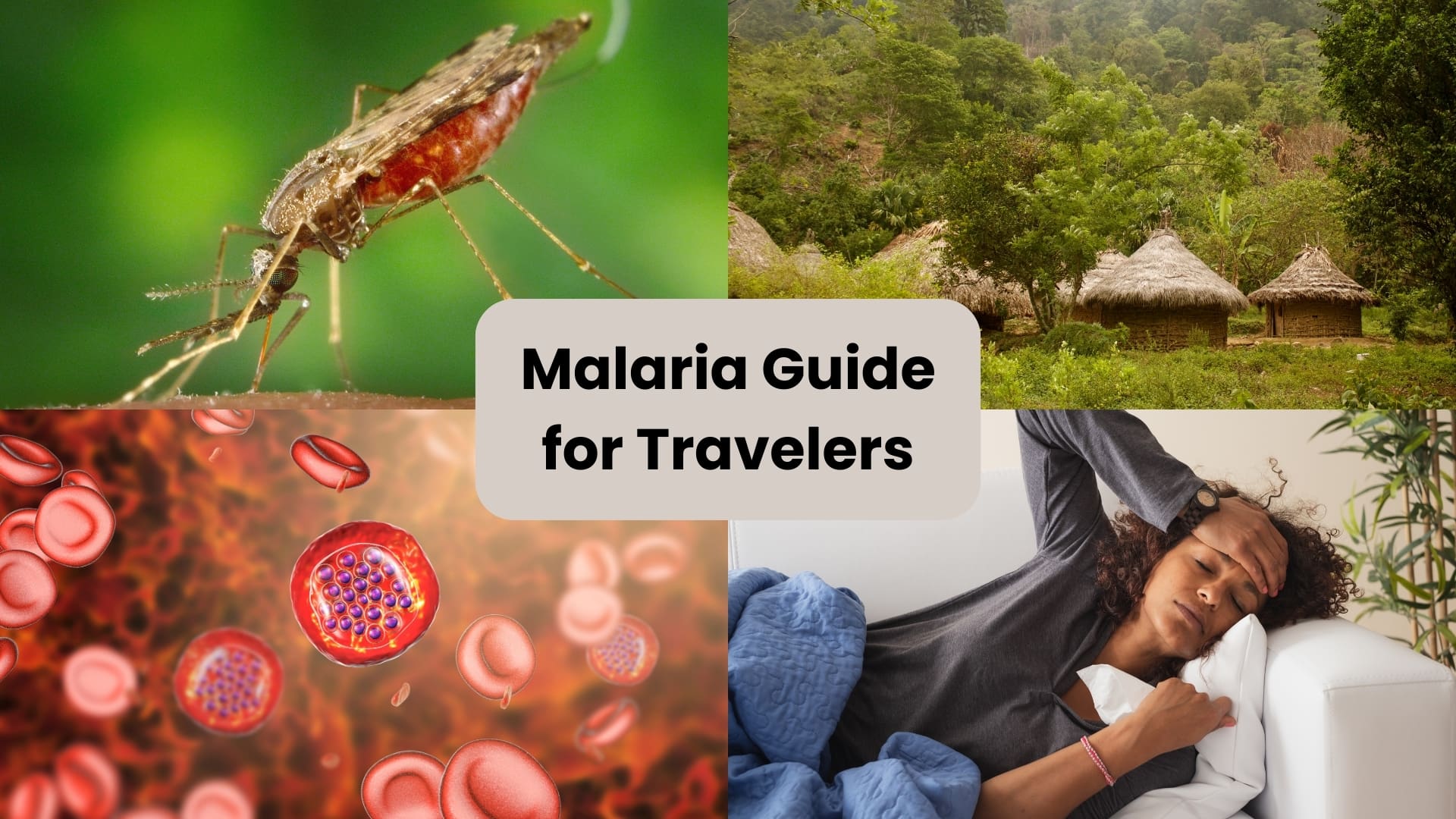
- Malaria
- Scrub typhus
- West Nile virus
- Zika
Yellow fever certificate requirements:
A vaccination certificate is required upon entry if arriving from a country at risk, or after transiting for more than 12 hours at a country at risk.
Would you like to learn more about India?
Use our app to find important information about relevant vaccines, what medication to pack, and how to address risks at your destination, so you can enjoy your travel to the fullest.
We’ve connected data from hundreds of scientific publications with the most recent recommendations from the world’s top authorities, including the WHO, the American CDC, and the UK’s NHS, to help you get the best preparation for the trip possible.
Try MyGlobdoc now! India is already available there.
India FAQ
Is it safe to travel to India in terms of health risks?
Yes, India is generally safe for travelers, but health risks depend on region and lifestyle. Foodborne illness is common, mosquito-borne diseases occur in many states, and poor air quality in cities like Delhi and Mumbai can aggravate respiratory conditions. With vaccinations, safe food choices, and protective measures, most visitors stay healthy during their trip.
What vaccinations do I need before traveling to India?
Recommended vaccines include hepatitis A, typhoid, and tetanus. Depending on your travel route, hepatitis B, Japanese encephalitis, and rabies may also be advised, especially for rural or long-term stays. MyGlobdoc can create a personalized vaccination guide based on your planned destinations.
Are there any common diseases in India that travelers should know about?
Yes. Traveler’s diarrhea, typhoid, and hepatitis A are frequent among visitors. Dengue fever, malaria, and chikungunya are also present, especially during monsoon season. In some areas, Japanese encephalitis may be a concern for long-term rural travelers.
How can I avoid food poisoning or traveler’s diarrhea in India?
Eat only freshly cooked meals from busy restaurants or street vendors. Avoid raw salads, unpeeled fruit, undercooked meat, and tap water, including ice. Many travelers carry oral rehydration salts and use hand sanitizer regularly to prevent dehydration and infection.
Is malaria a risk in India, and do I need anti-malarial pills?
Yes, malaria is present in rural and forested areas, especially in northeastern states and parts of central India. However, large cities like Delhi, Mumbai, and Bangalore have little to no malaria risk. Consult a doctor or use MyGlobdoc to decide if prophylaxis is necessary for your route.
What mosquito-borne illnesses are present in India?
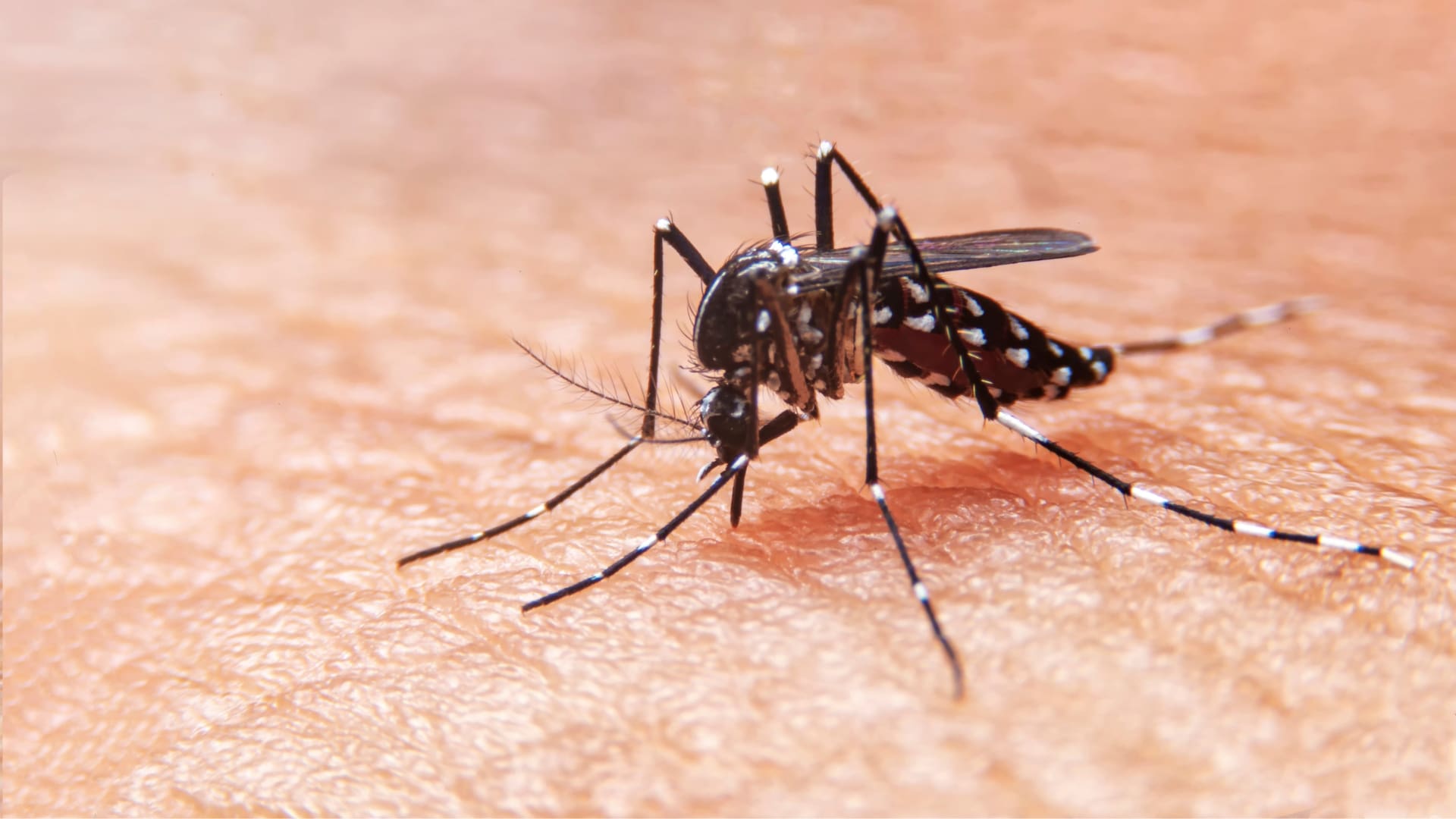
India has dengue fever, malaria, chikungunya, Japanese encephalitis, and occasionally Zika virus. Dengue is common in urban and semi-urban areas, while malaria risk is highest in rural zones. Use DEET-based repellents, long-sleeved clothing, and mosquito nets when needed.
Do I need travel health insurance for India?
Yes, travel health insurance is highly recommended. India has excellent private hospitals in major cities, but treatment for foreigners can be costly. Insurance ensures access to quality care and covers emergencies such as accidents or severe infections.
What should be in a travel medical kit for India?
Include anti-diarrheal medication, oral rehydration salts, pain relievers, insect repellent, sunscreen, adhesive bandages, and prescription medicines. If traveling off the beaten path, pack a first aid kit and water purification tablets. MyGlobdoc can provide a checklist specific to your activities and destinations.
How can I stay healthy while backpacking through India?
Stay hydrated, especially in hot climates, and protect yourself from mosquito bites. Eat carefully, choose reputable food stalls, and avoid unfiltered water. Take breaks during long train or bus rides, and carry a medical kit to manage common travel illnesses.
Is India safe for pregnant travelers or travelers with chronic illness?
Pregnant travelers should take extra precautions, as mosquito-borne diseases like dengue, malaria, and Zika can pose significant risks. Air pollution in cities such as Delhi and Mumbai may cause complications for those with asthma or other pulmonary conditions. Travelers with chronic illnesses should carry enough medication, a doctor’s letter, and confirm insurance coverage.
What should I do if I get sick in India?
For minor issues, pharmacies and clinics are widely available. For more serious conditions, private hospitals in Delhi, Mumbai, Bangalore, and other large cities provide high-quality care. If you experience severe respiratory problems, consider relocating to areas with better air quality. Always carry your insurance and emergency contacts.
What travel health documents or certificates are required for India?
Most travelers do not need special health certificates. Proof of yellow fever vaccination is required if arriving from an endemic country.
Sources
Map generated with https://www.mapchart.net/index.html
Orthographic map By Ssolbergj (talk) – This vector image was created with Inkscape by v ., https://commons.wikimedia.org/w/index.php?curid=5123101 / CC-BY-SA-3.0 edited in Canva
Travel safety map obtained under the latest from https://travel.gc.ca/destinations/india
https://datatopics.worldbank.org/world-development-indicators/
Block, S., Emerson, J. W., Esty, D. C., de Sherbinin, A., Wendling, Z. A., et al. (2024). 2024 Environmental Performance Index. New Haven, CT: Yale Center for Environmental Law & Policy. https://epi.yale.edu
Disclaimer:
The information provided on this page is for general informational and educational purposes only and is not a substitute for professional medical advice. Always consult your physician or other qualified healthcare provider with any health problem. The use or reliance on any information provided on this page is solely at your own risk.

Subscribe To Our Newsletter
More From Blog
Motion Sickness and How To Handle It
Manaslu Circuit Trek 2026 Guide (Route, Costs & Tips)

Blood Clots and Long Flights: What Travelers Must Know
Popular topics
Tags